
A
New
Horizon.
It’s time
for our own
Space Age.
A look at how the Space Age once expanded our sense of possibility.
And why creativity and shared meaning are essential as AI reshapes the world around us.
A while ago I came across a great essay by Ruben Nieuwenhuis called New Amsterdam: Time For Tough Love (in Dutch).
Its core argument is simple: Amsterdam has forgotten how to build. The city is stuck in a mindset of fixing, regulating and maintaining. We spend a lot of time nowadays repairing what exists, yet we rarely ask what any of it is for, and where we want to go.
When imagination dries up in a society, anxiety (and even populism?) take its place.
And although Nieuwenhuis wrote about Amsterdam specifically, the mood he describes feels far wider. It echoes a more global sense that our collective imagination has thinned, just at the moment we need it most.
That feeling has only intensified with the arrival of AI. It is becoming clear that we are not living through an era of change, but a change of era.
This made me want to look at our current era and the shift not from a technological perspective, but from a creative and cultural one.
It reminded me of another time in history when society was reshaped by rapid technological change:
The Space Age
After the Second World War ended, the world was heavily in motion.
Soldiers returned into stronger economies. European cities were rebuilding. And the new Cold War produced a strange mix of tension and shared ambition in the west.
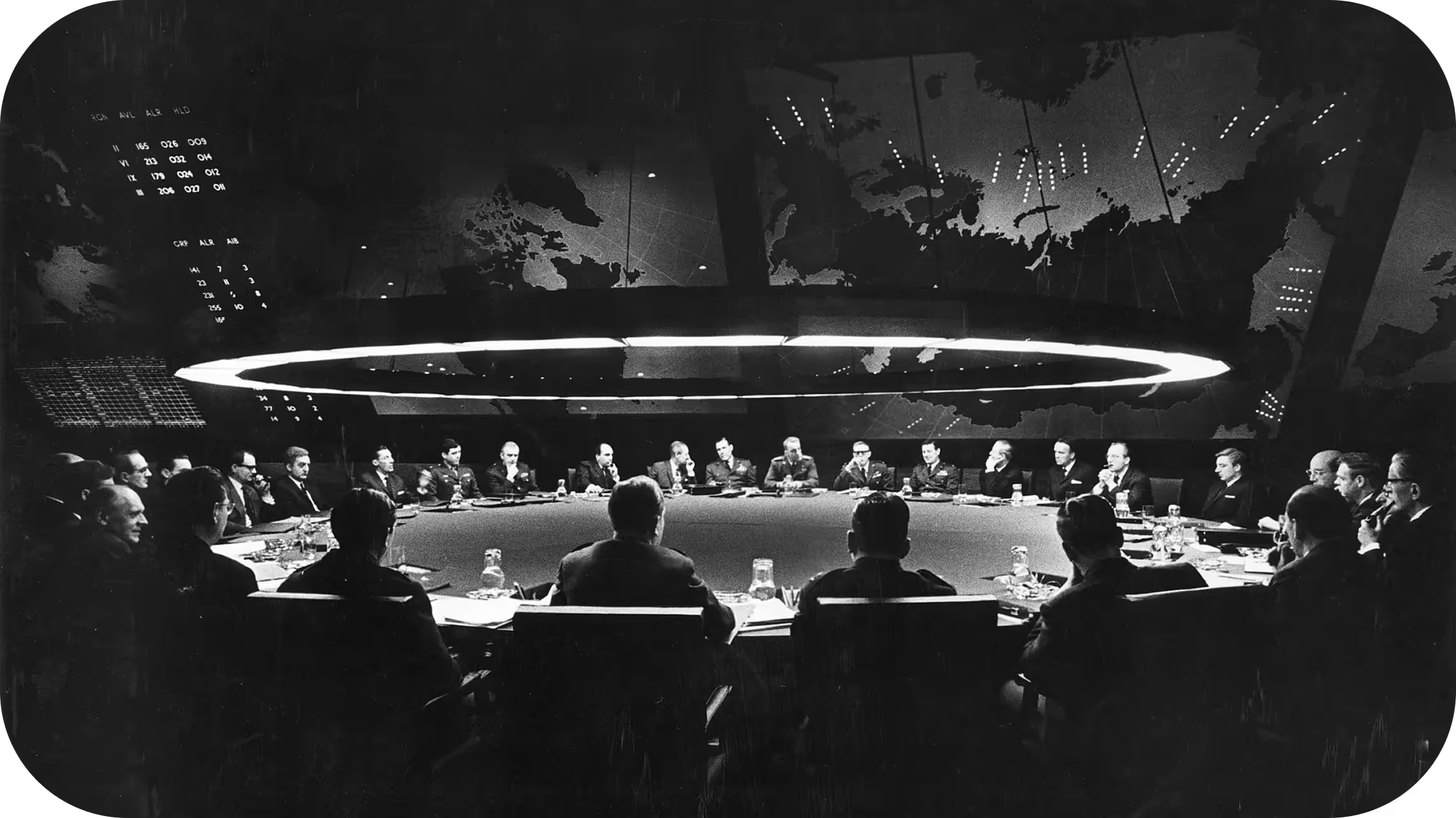
Then, the launch of the Russian Sputnik rocket in 1957 changed everything.
It was a wake-up call for the USA, showing that another world view was able to create something so sophisticated. As a direct response, NASA was born. Within a decade both superpowers were putting humans in space, sending probes to distant planets and filling newspapers with visions of what might soon be possible.
However, the technological progress was only half the story. The other half turned out te be cultural.
This race introduced the world to a new view of what society could become. Designers, architects, writers, artists and filmmakers seized the opportunity to imagine this exciting new world. They imagined a future shaped by new life forms, outside worlds, new materials, clean silhouettes, metallic surfaces and rounded type.
The result was a culture and aesthetic that felt clean, optimistic and futuristic.
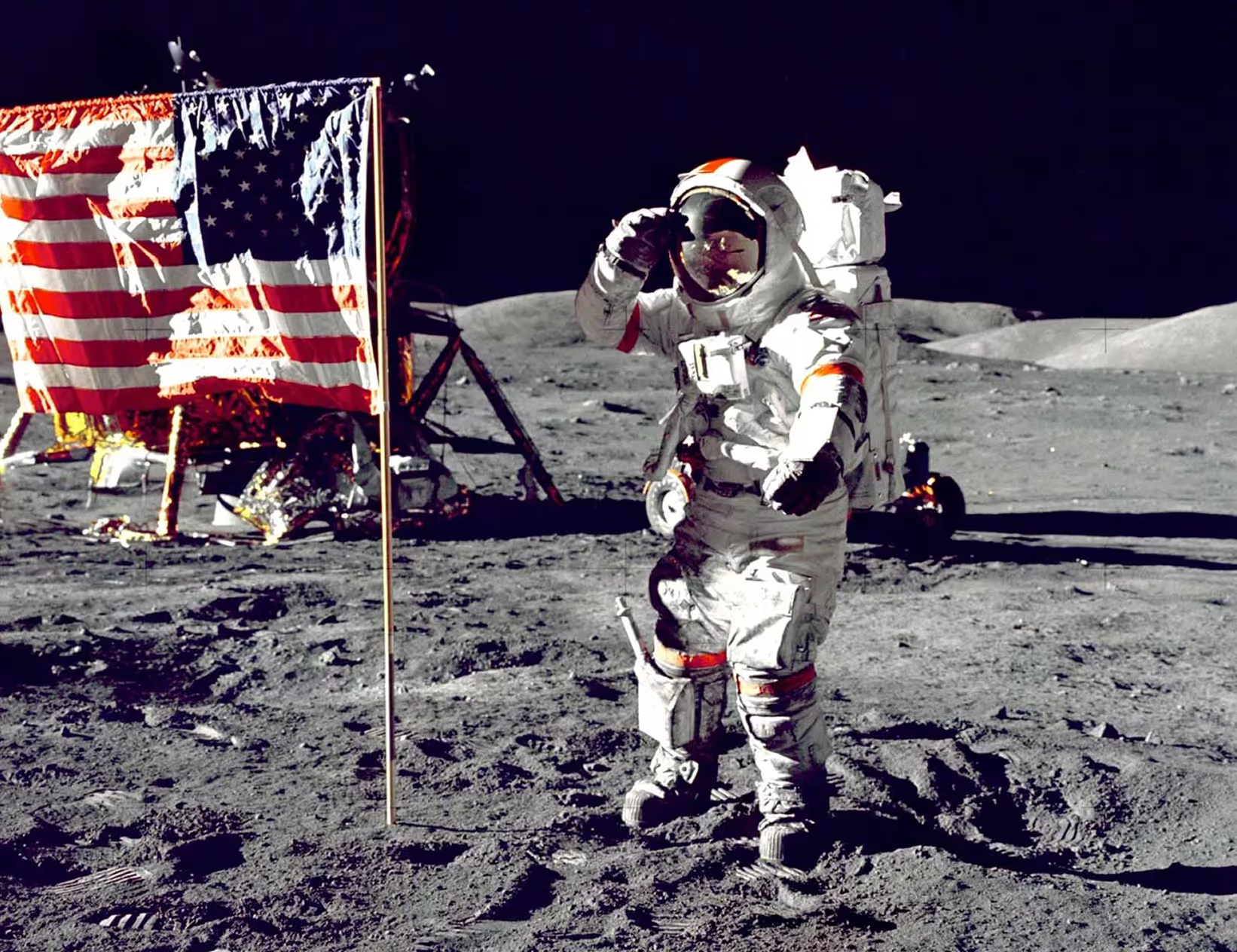
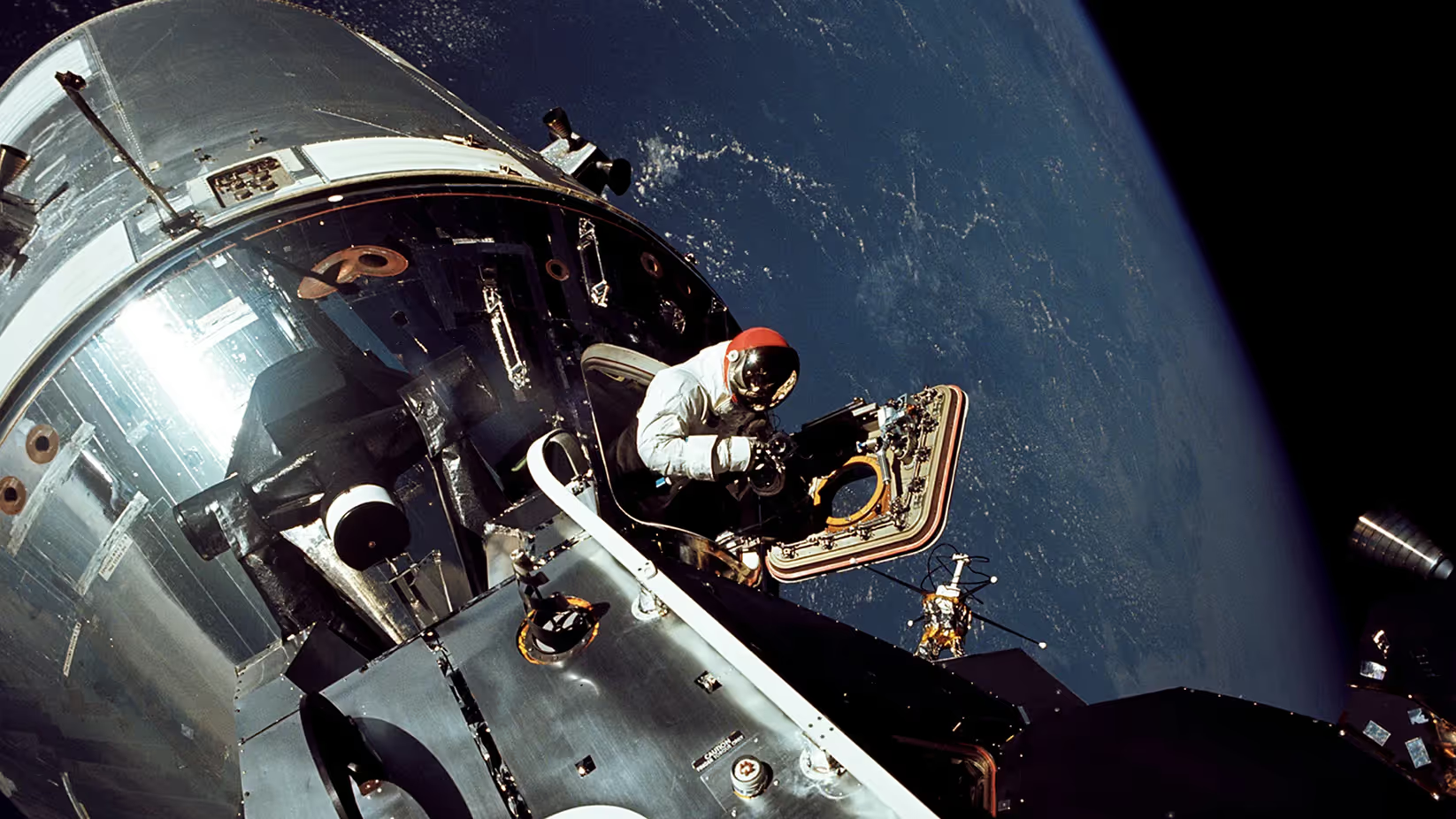
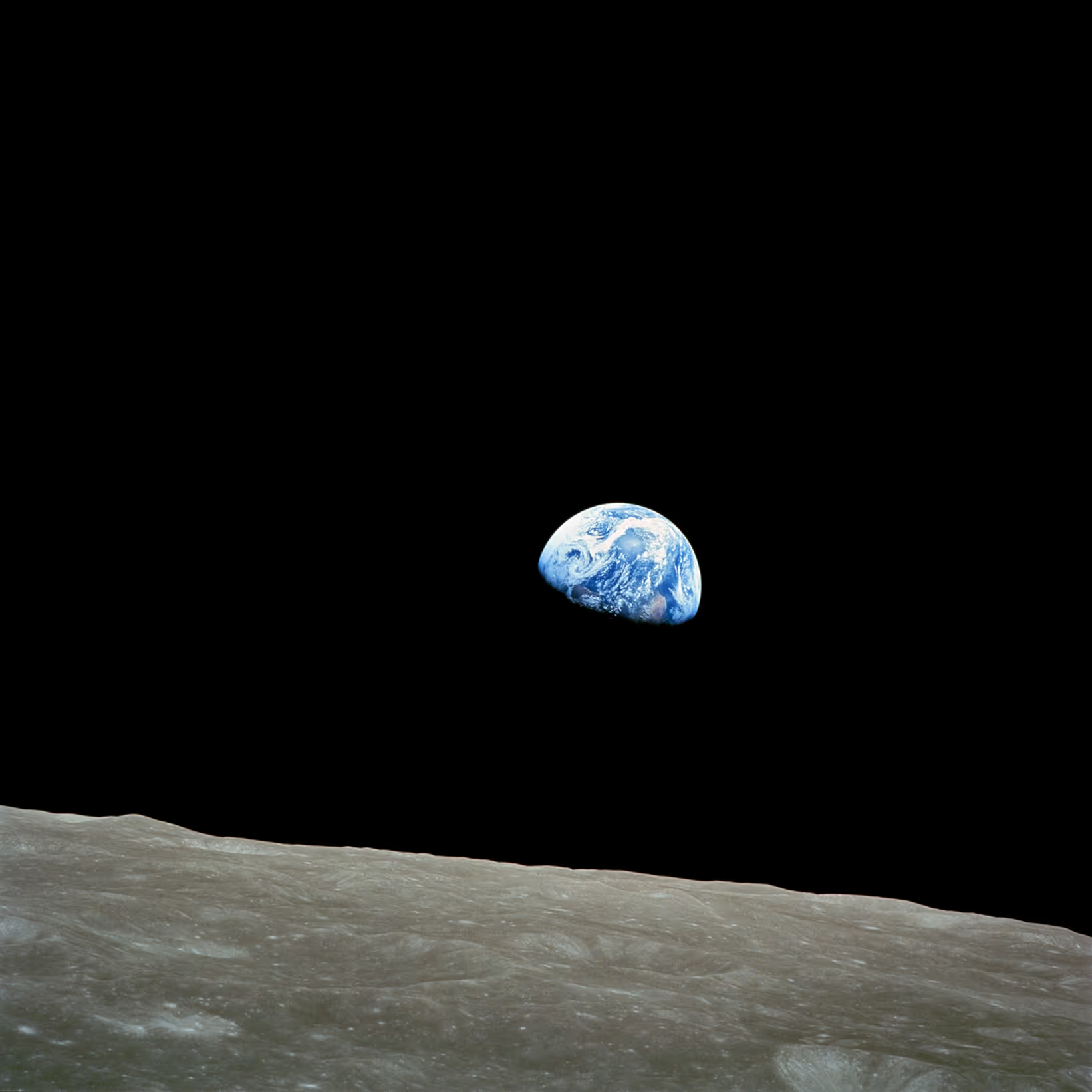
Photography
Images of rockets, astronauts and distant horizons reshaped how people saw themselves in the world.
In this era, photography shifted from merely documenting, to being more aspirational. Turning technology and science into something emotional and human.

Branding & Design
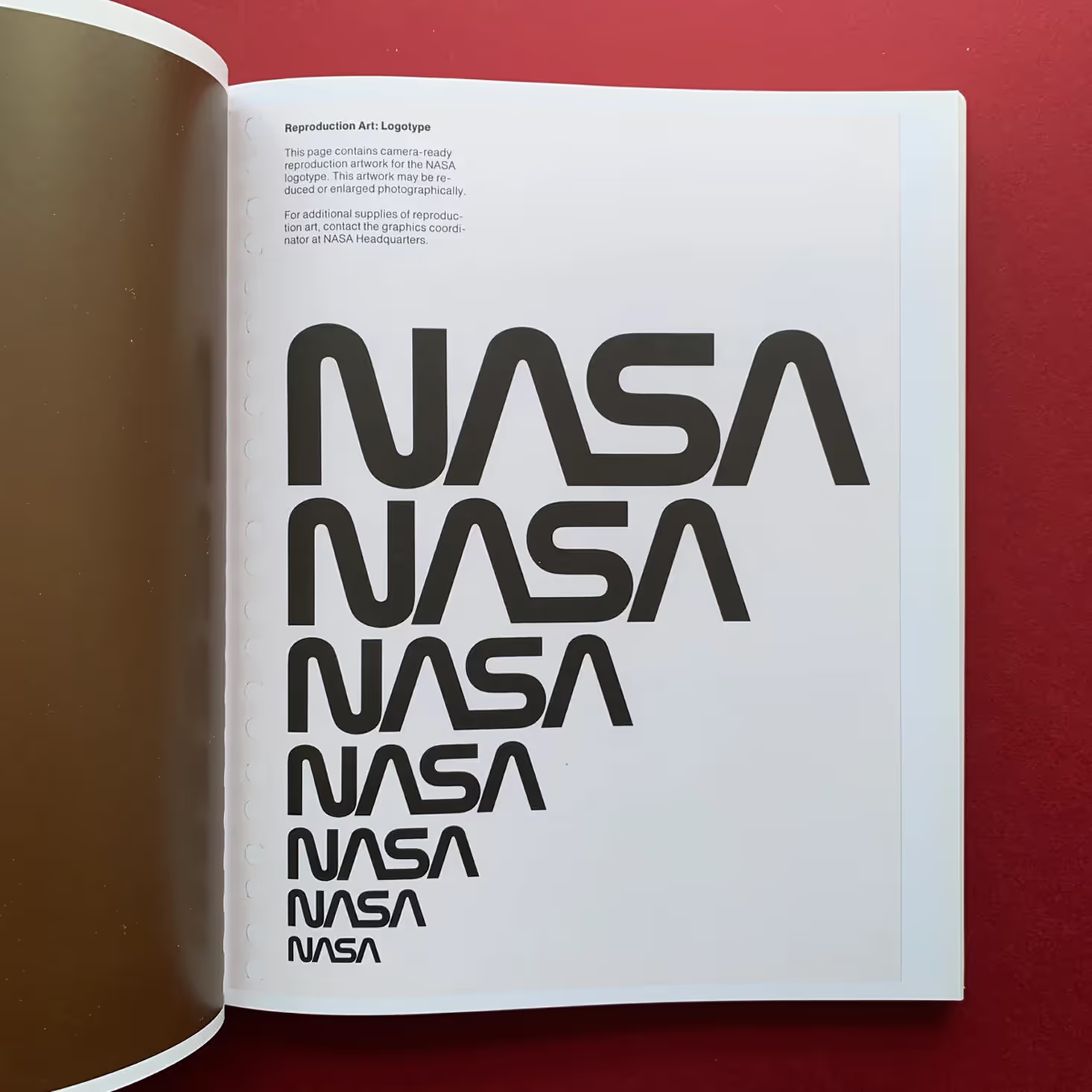
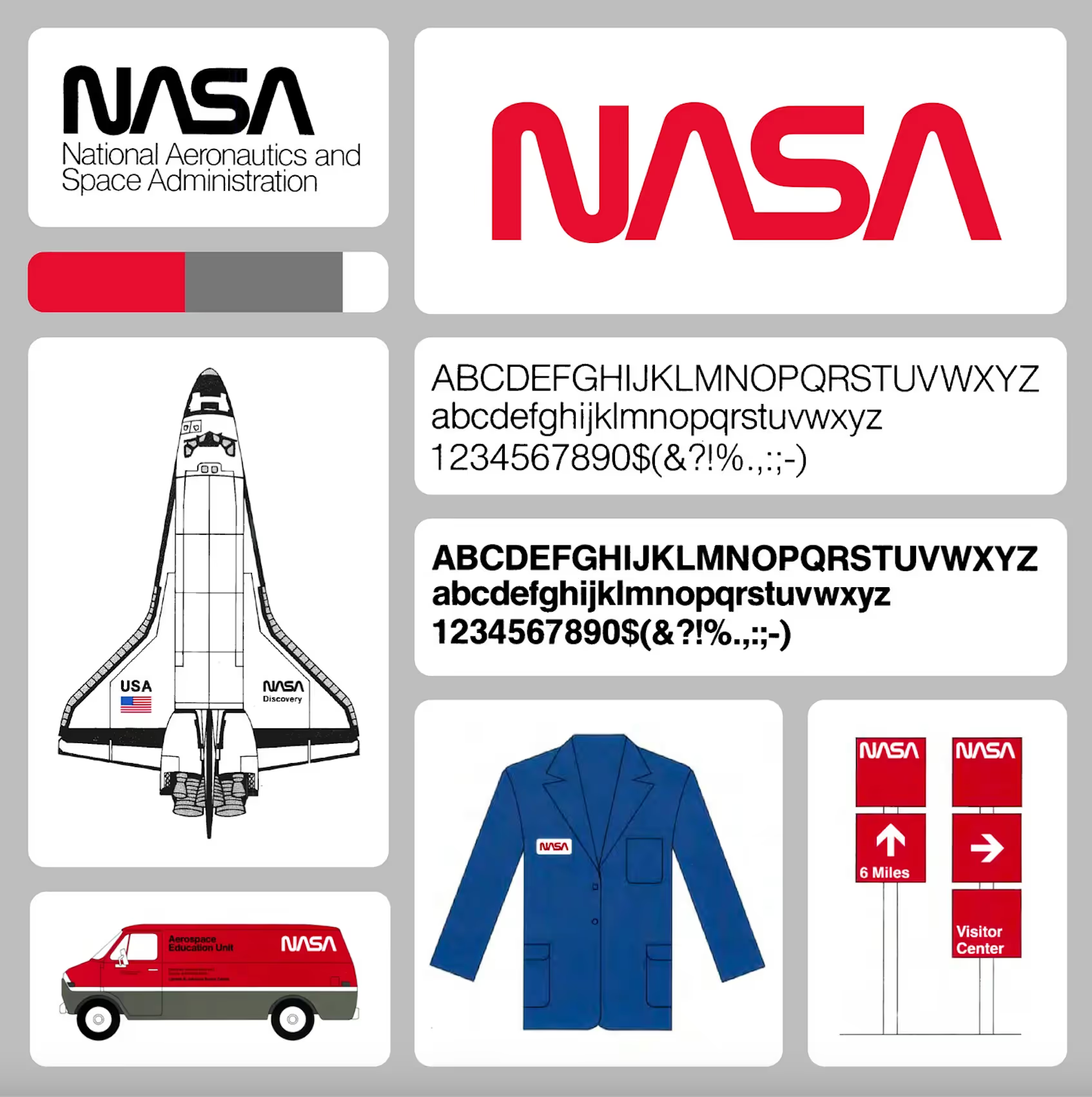
Branding absorbed the look and feel of the future. Logos, packaging and corporate identities borrowed clean geometry, bright colours and technical precision.
Brands and products wanted to feel modern and forward looking, echoing the optimism of space exploration.
Architecture
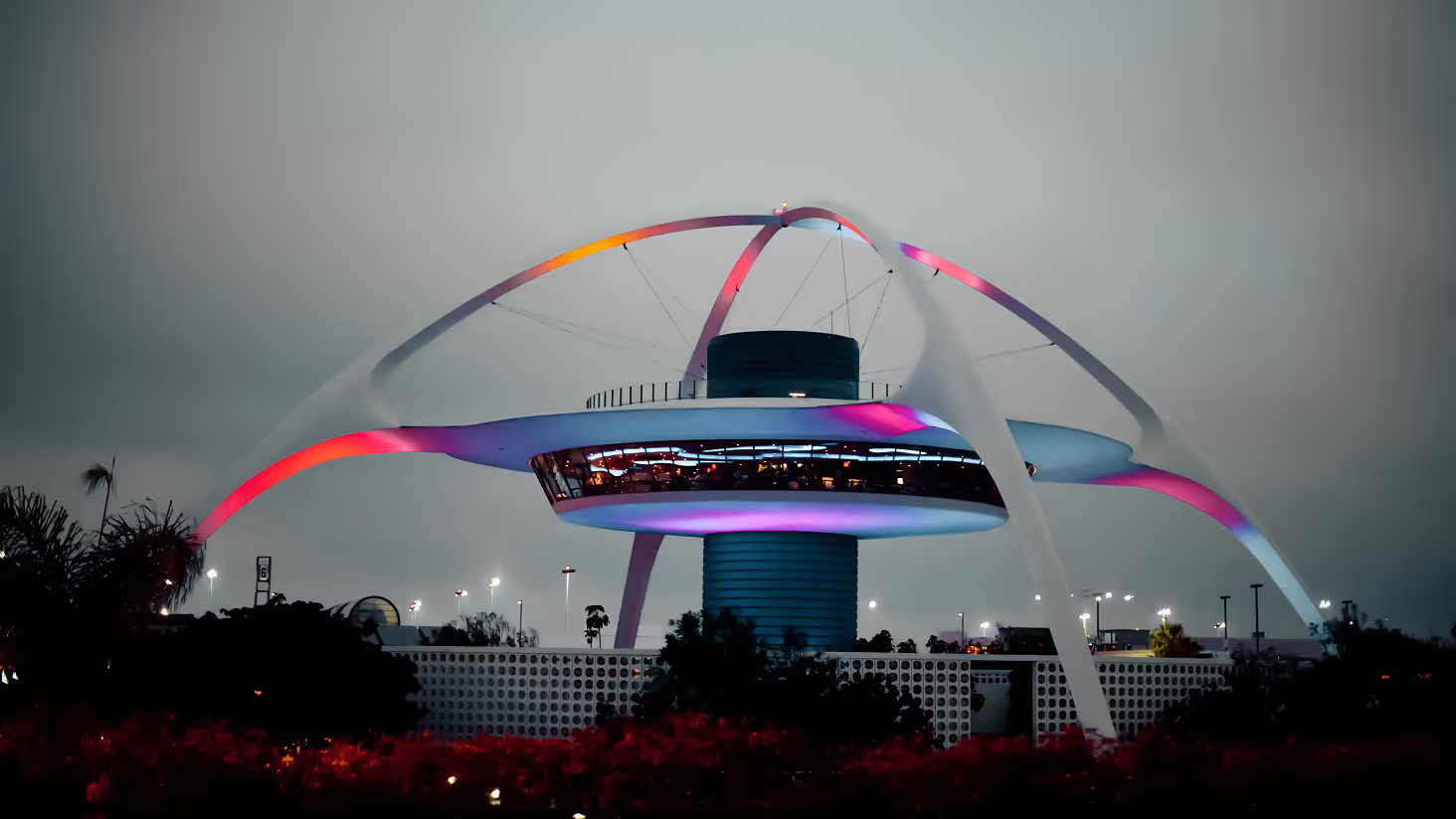
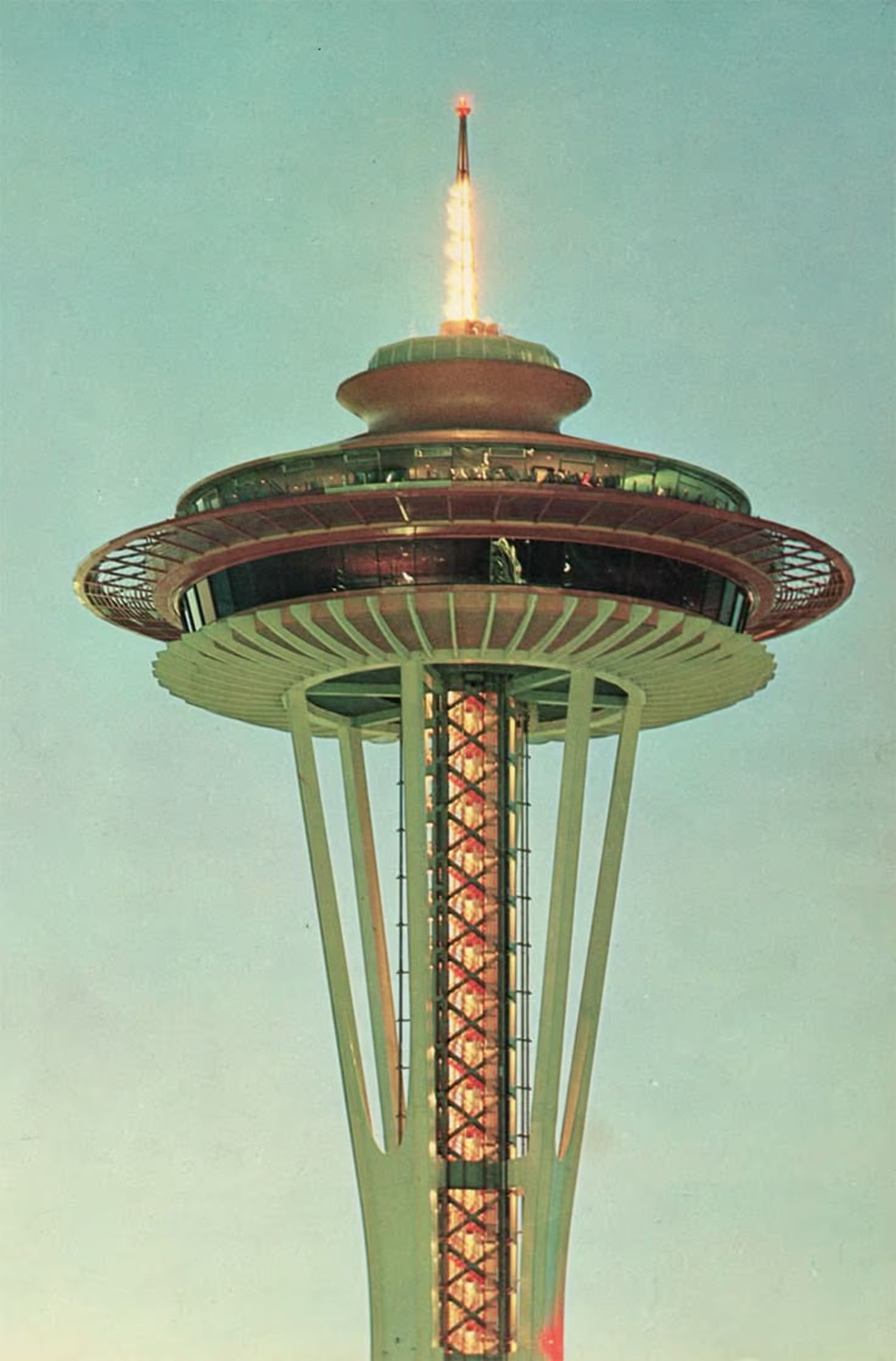
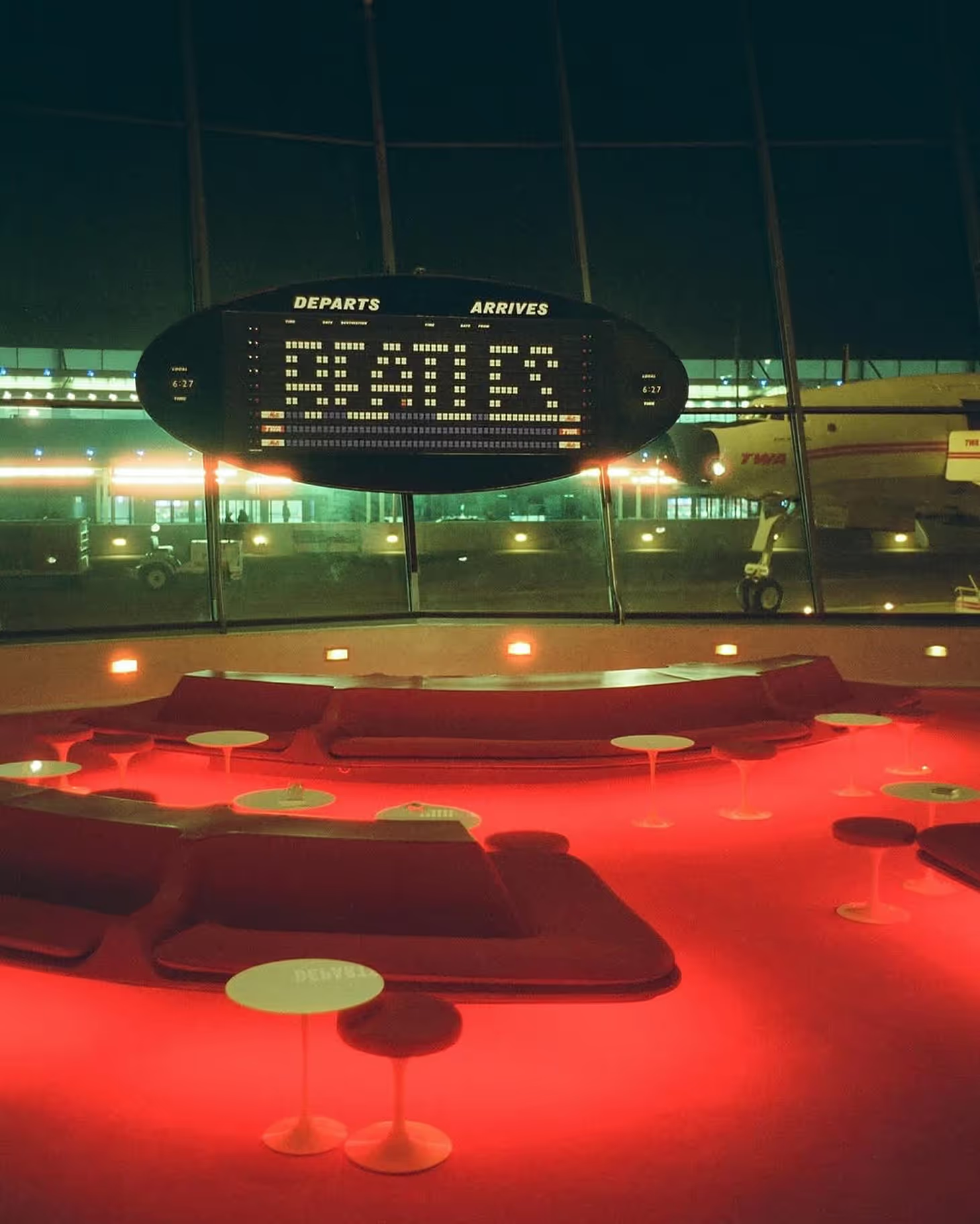
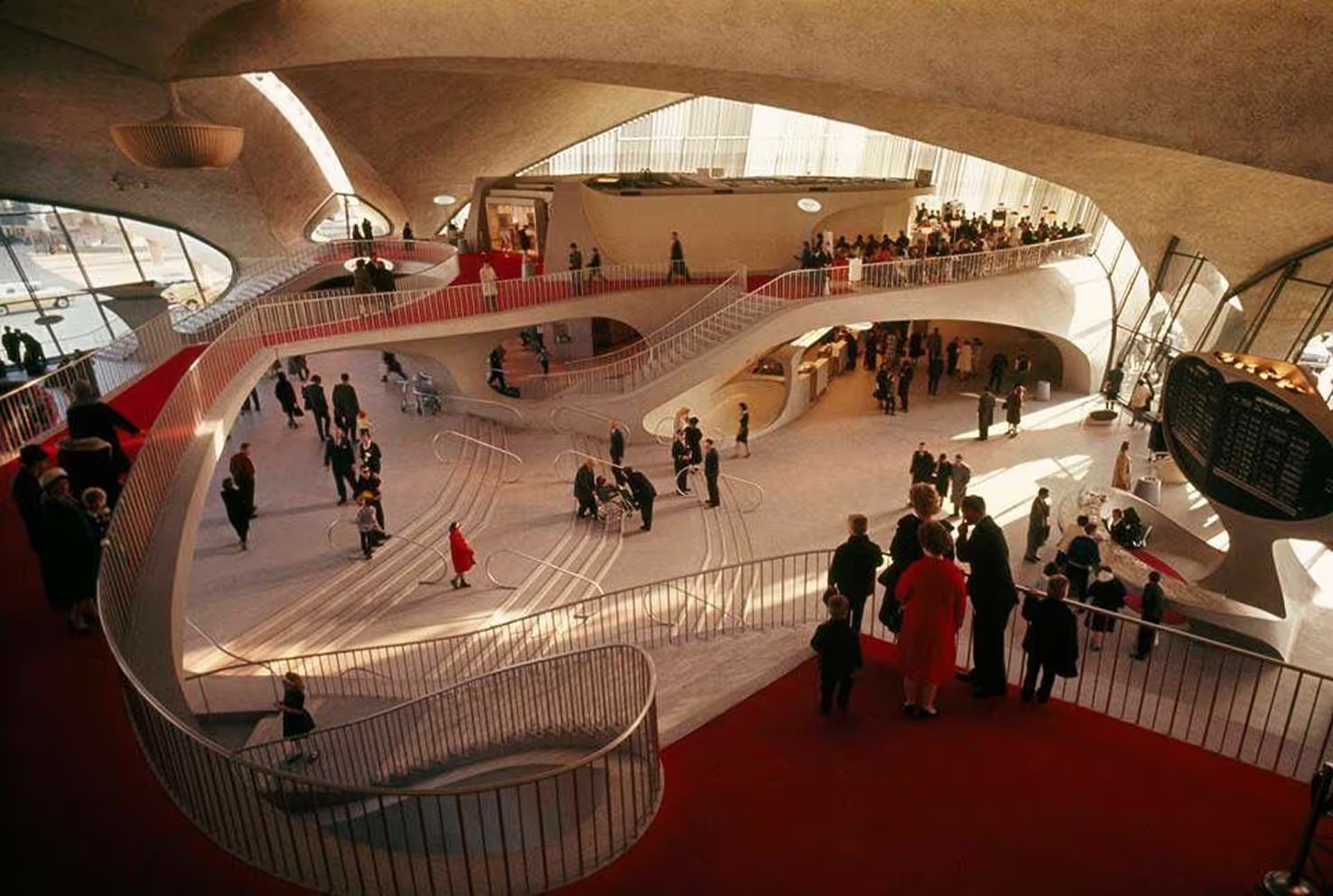
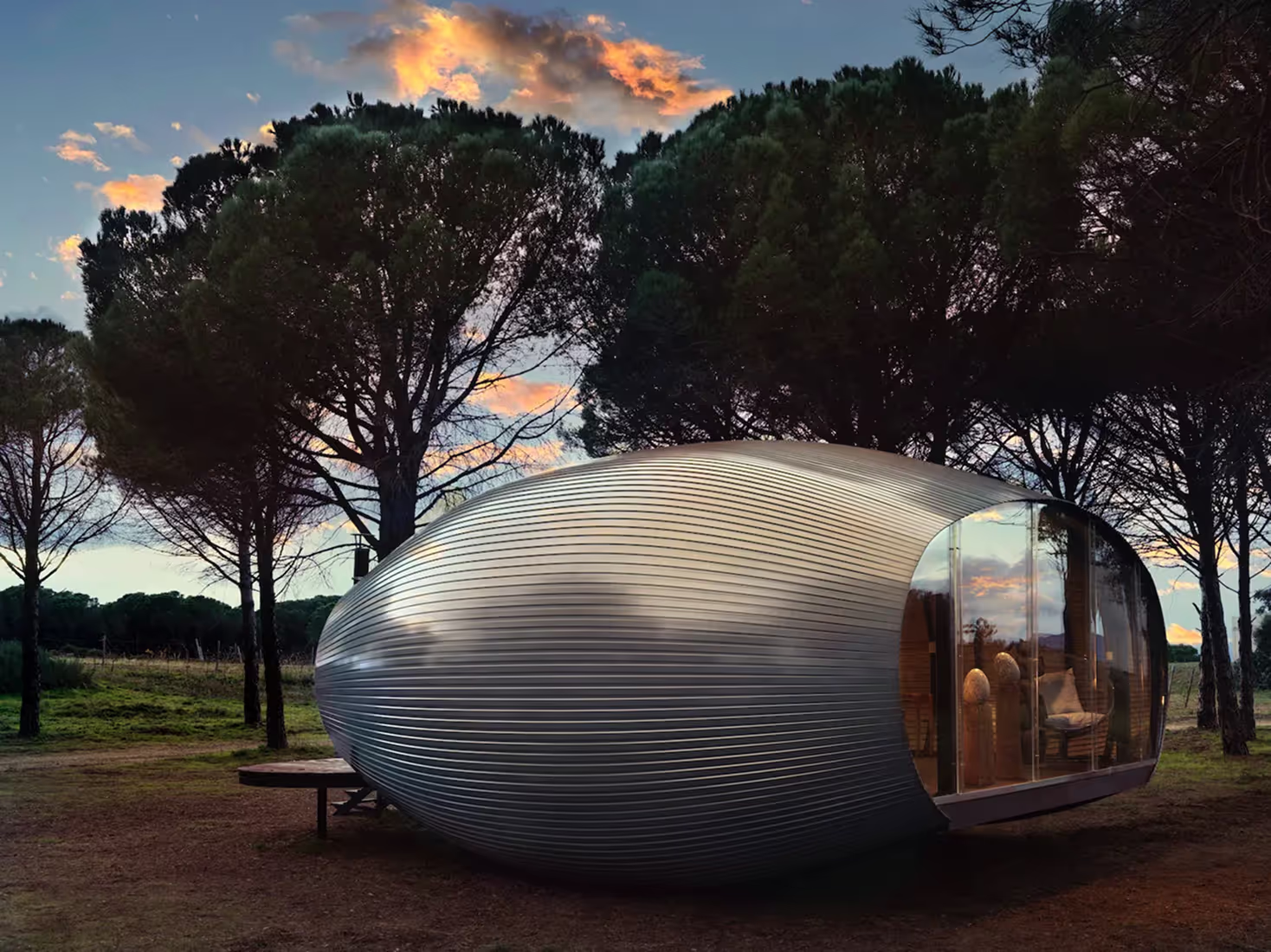
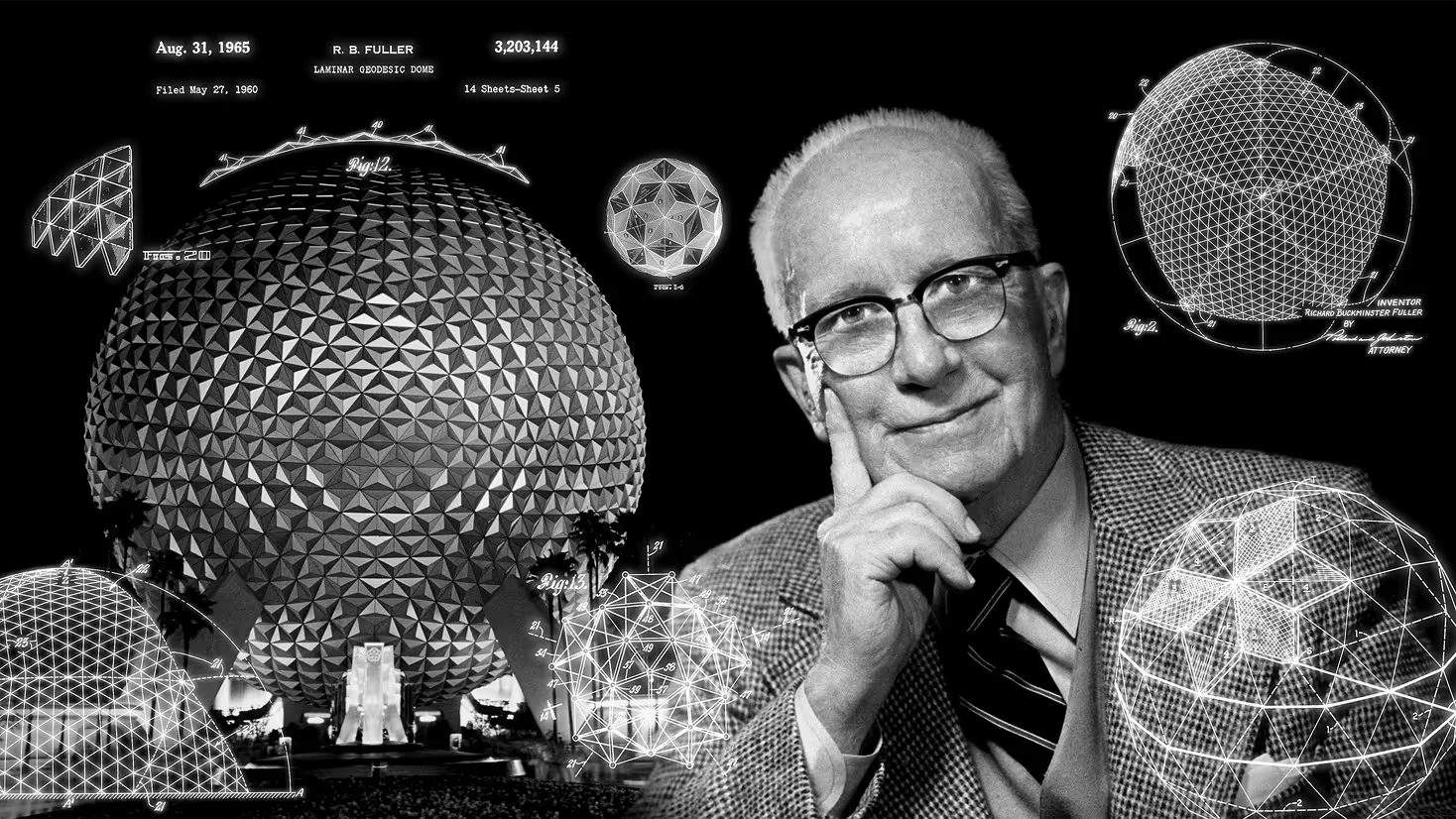
Architecture began to experiment with bold curves, new materials and sculptural forms.
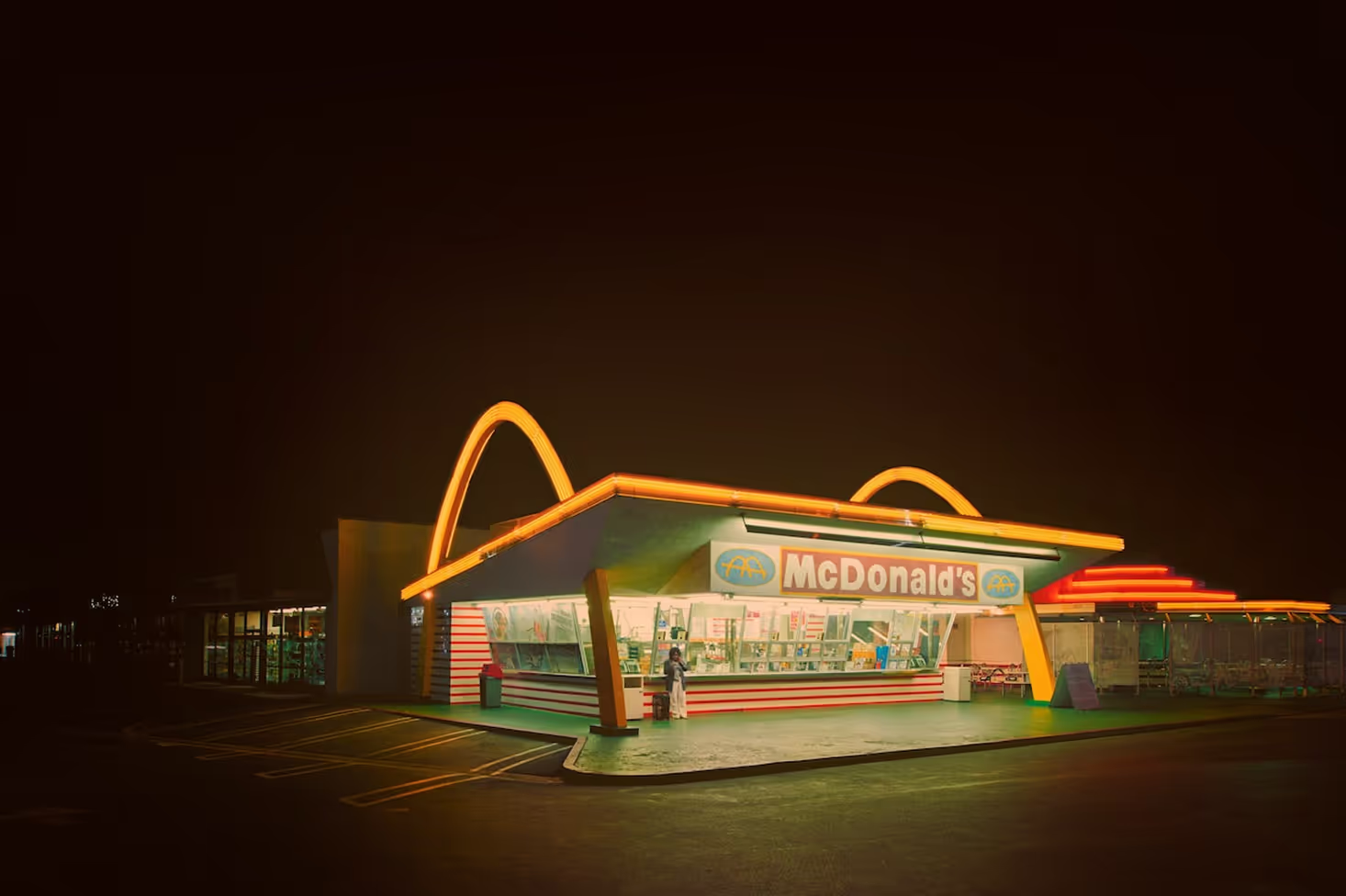
Buildings started to resemble spacecrafts, offering a glimpse of how everyday life might change. It brought a feeling of openness, lightness and progress to the built environment.
One of the marvels of this era is Googie Architecture.
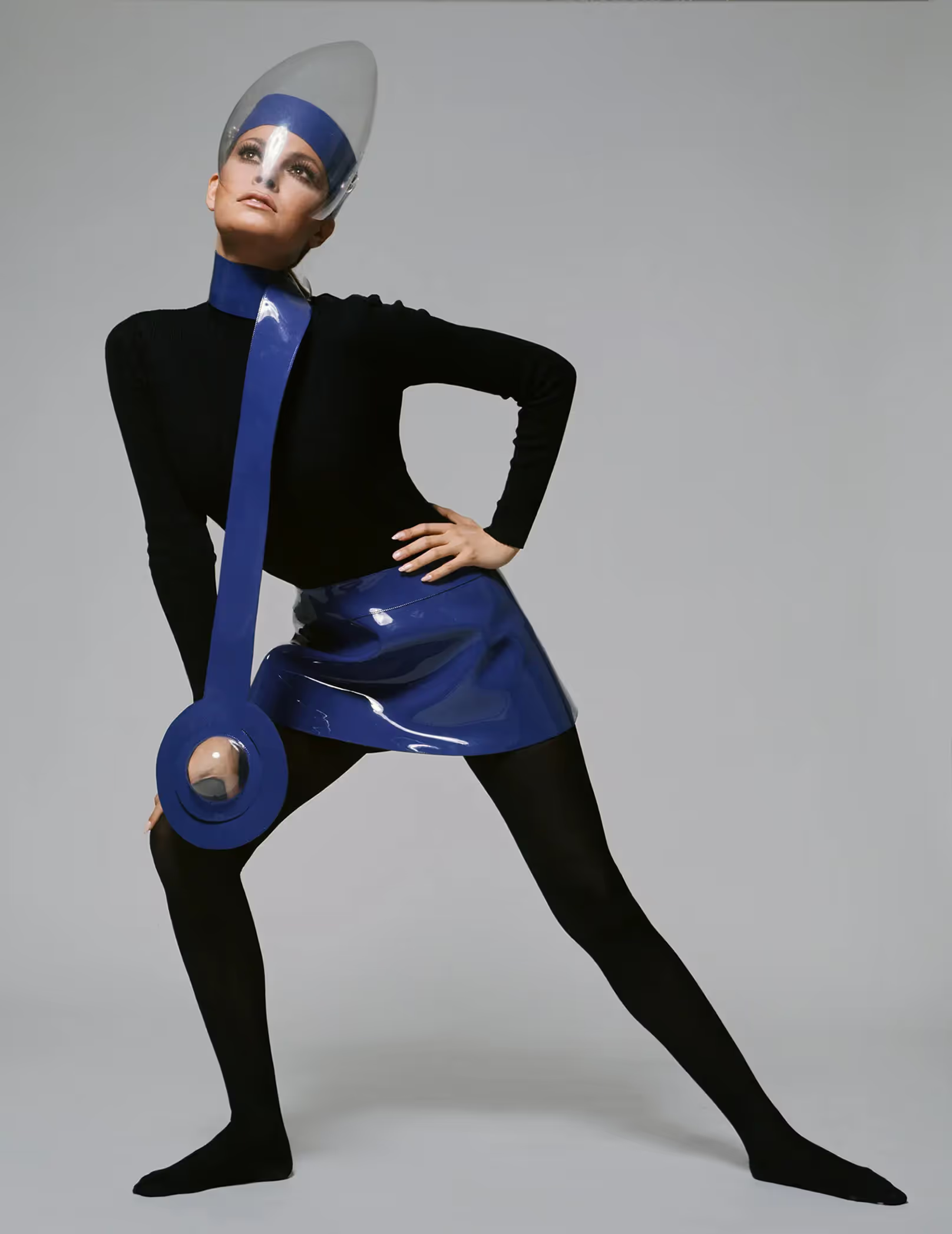
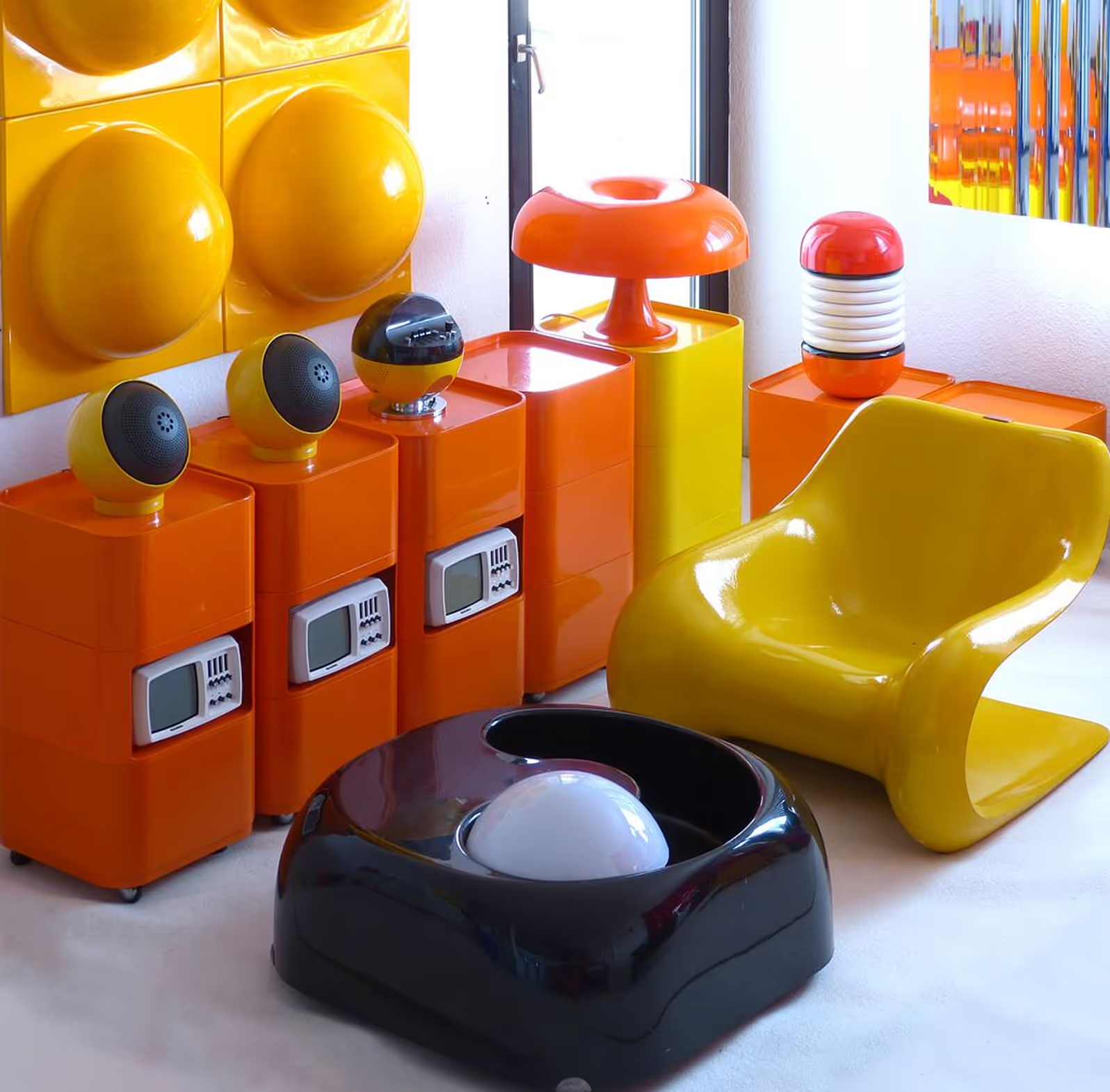
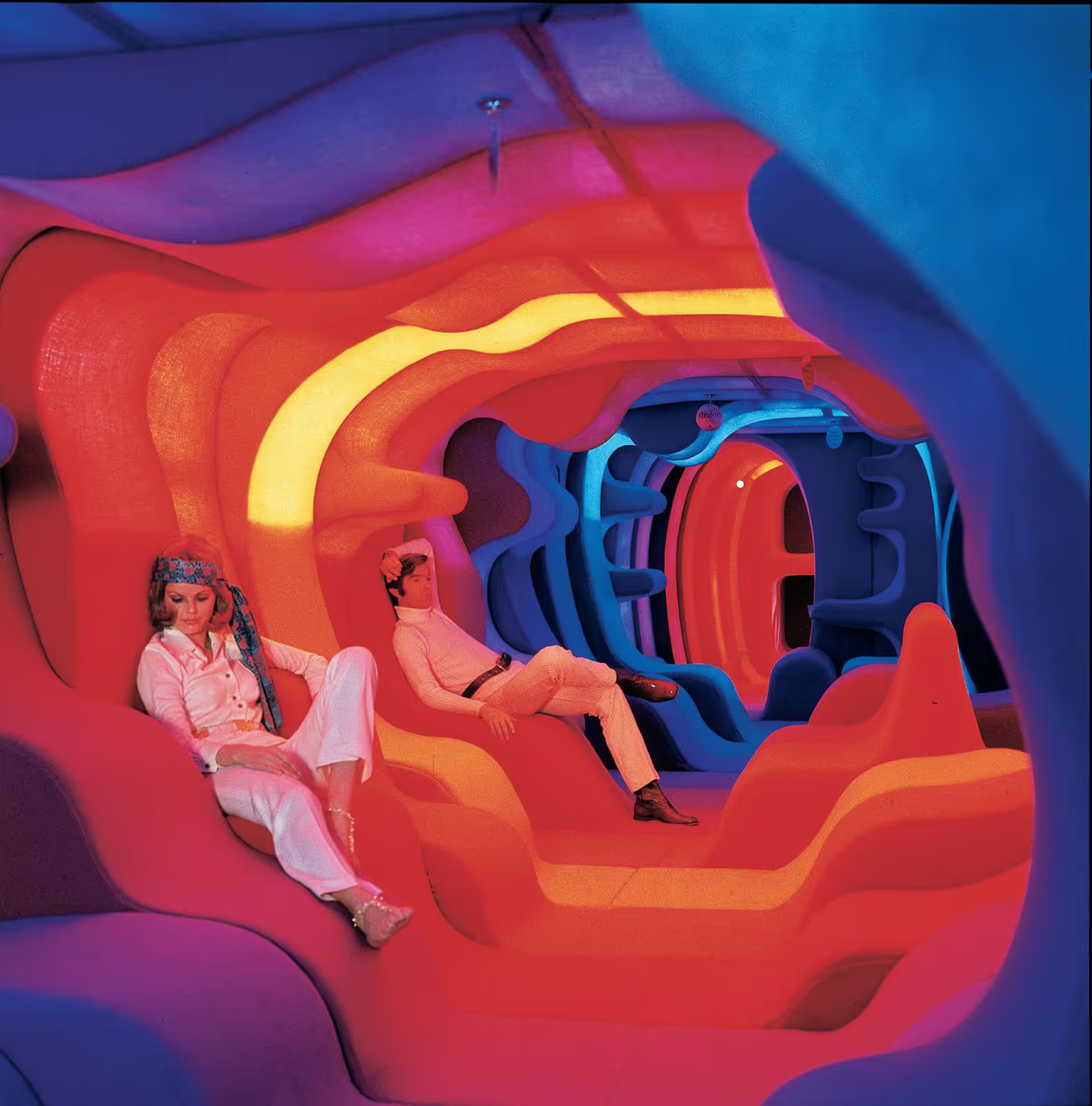

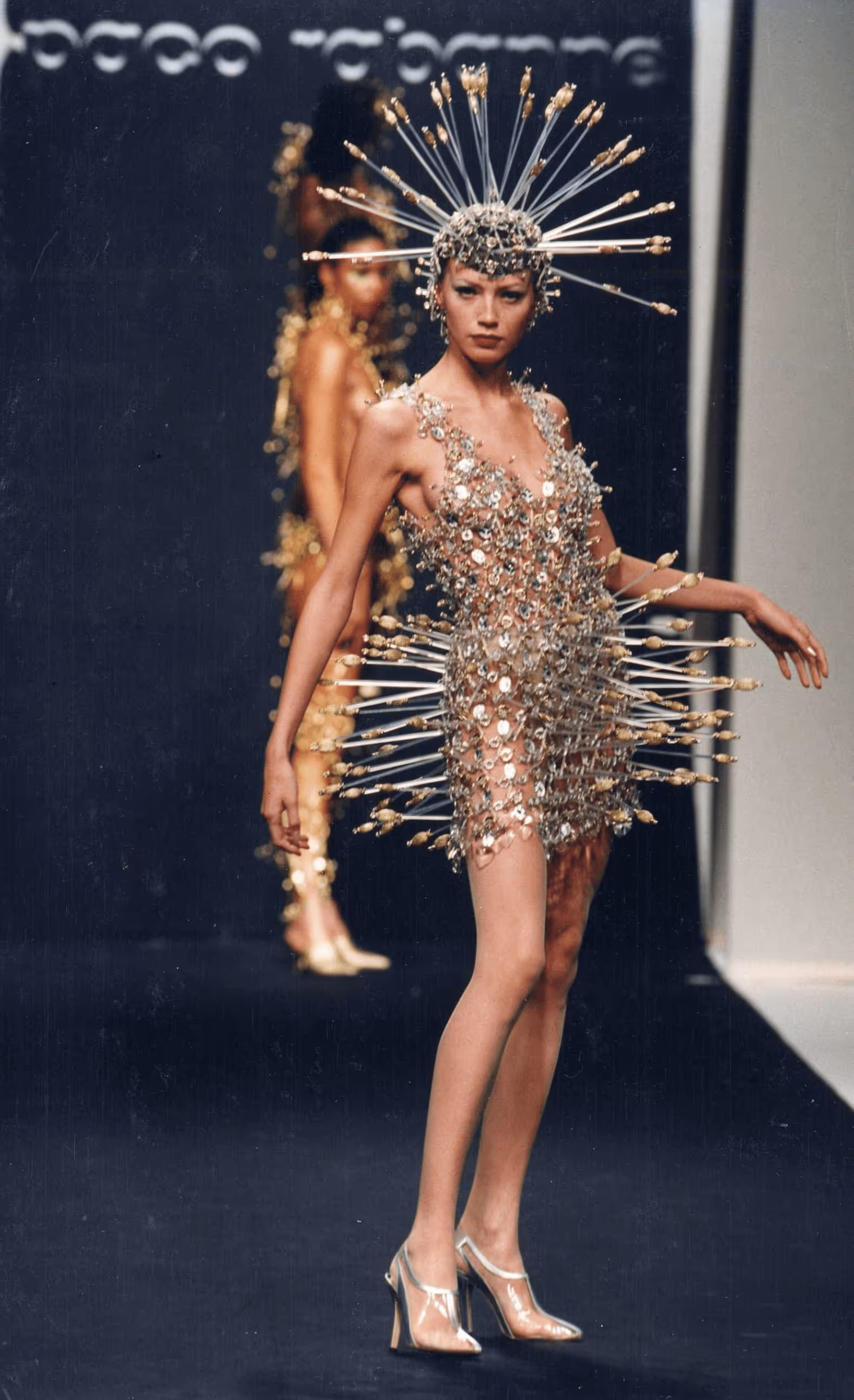
Fashion & Furniture
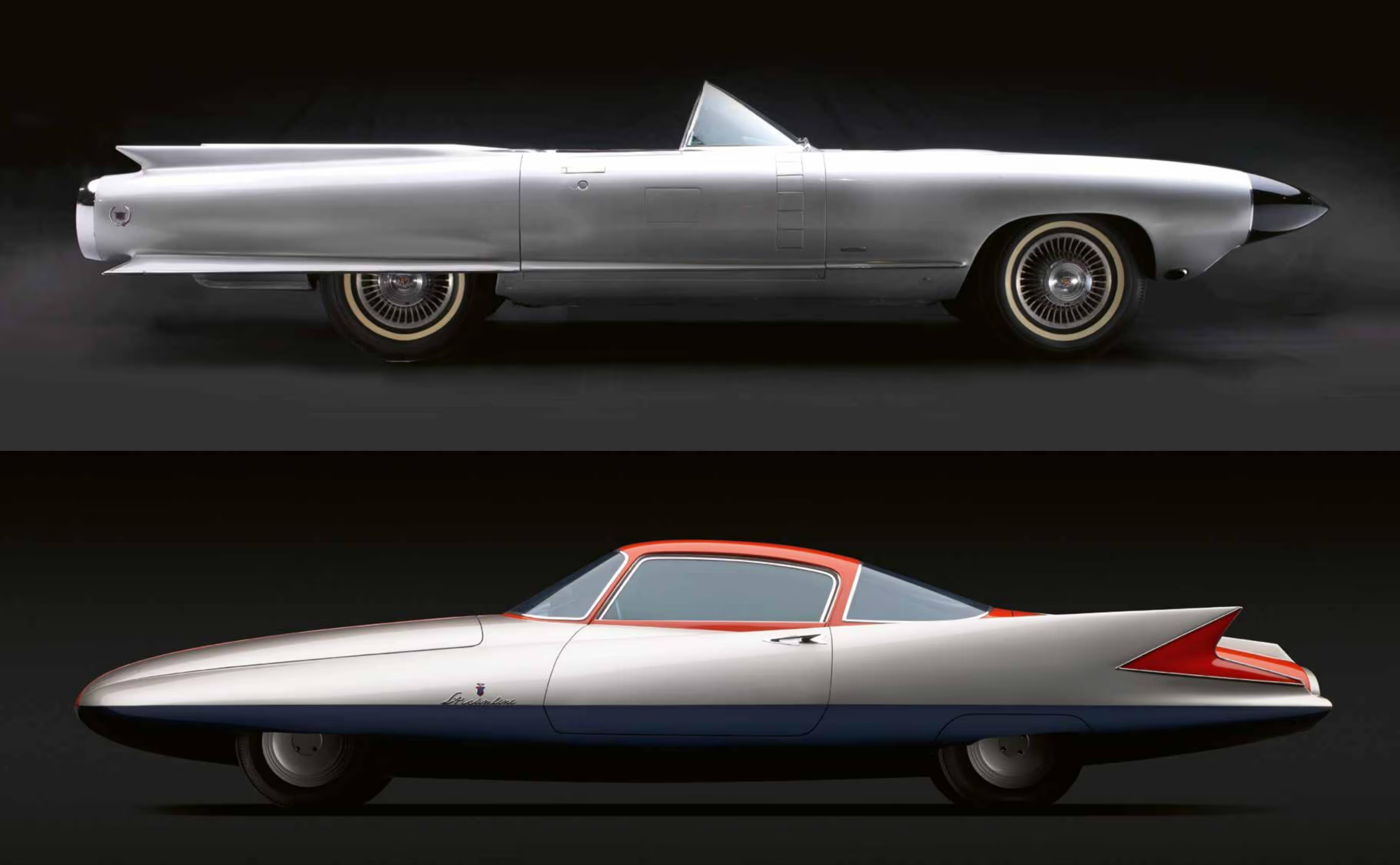
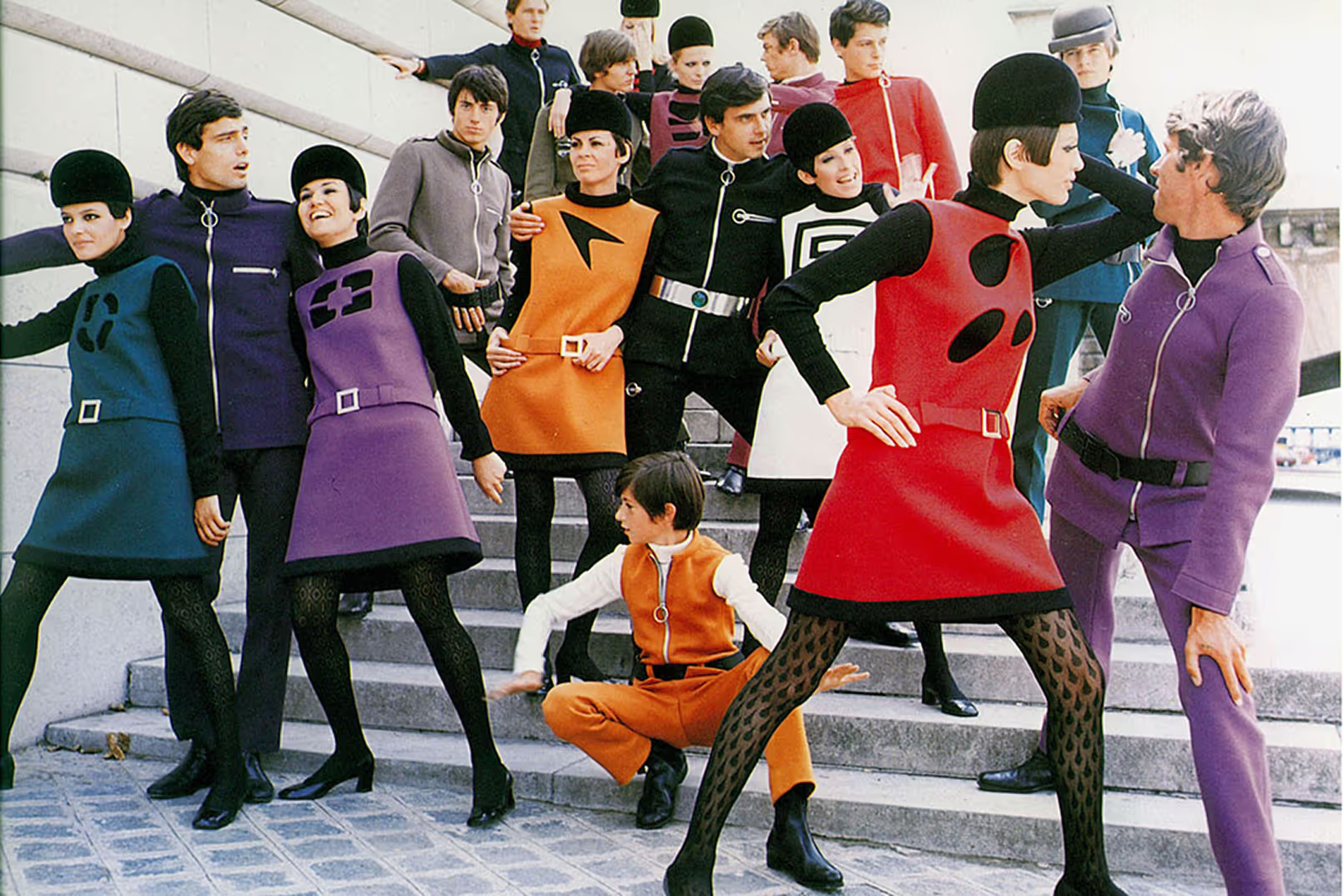
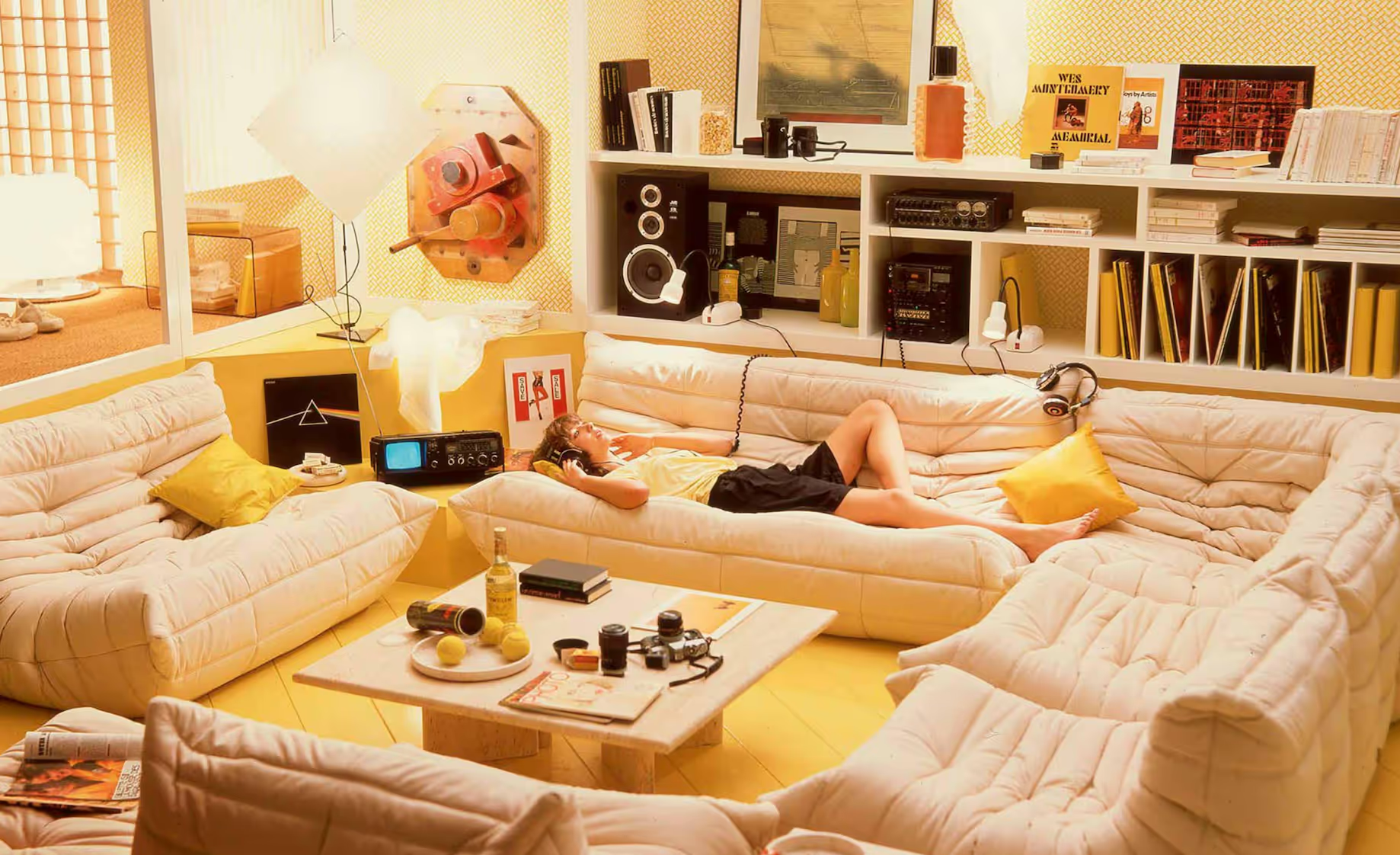
Fashion and furniture embraced new materials and sleek silhouettes.
Designers explored shiny surfaces, modular and optimistic forms. Everyday objects felt futuristic, playful and curious. Hinting at a lifestyle shaped by innovation and adventure.
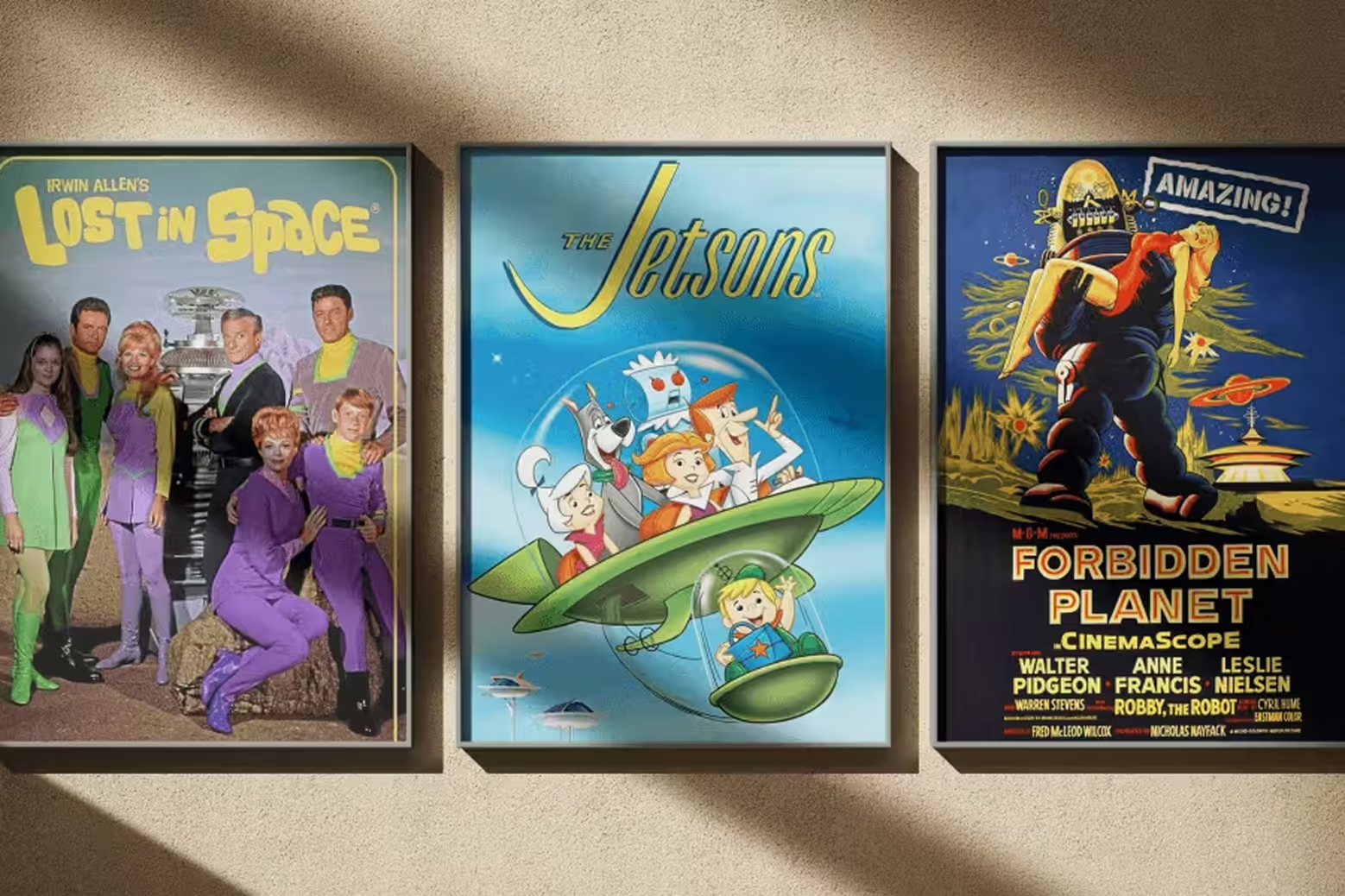
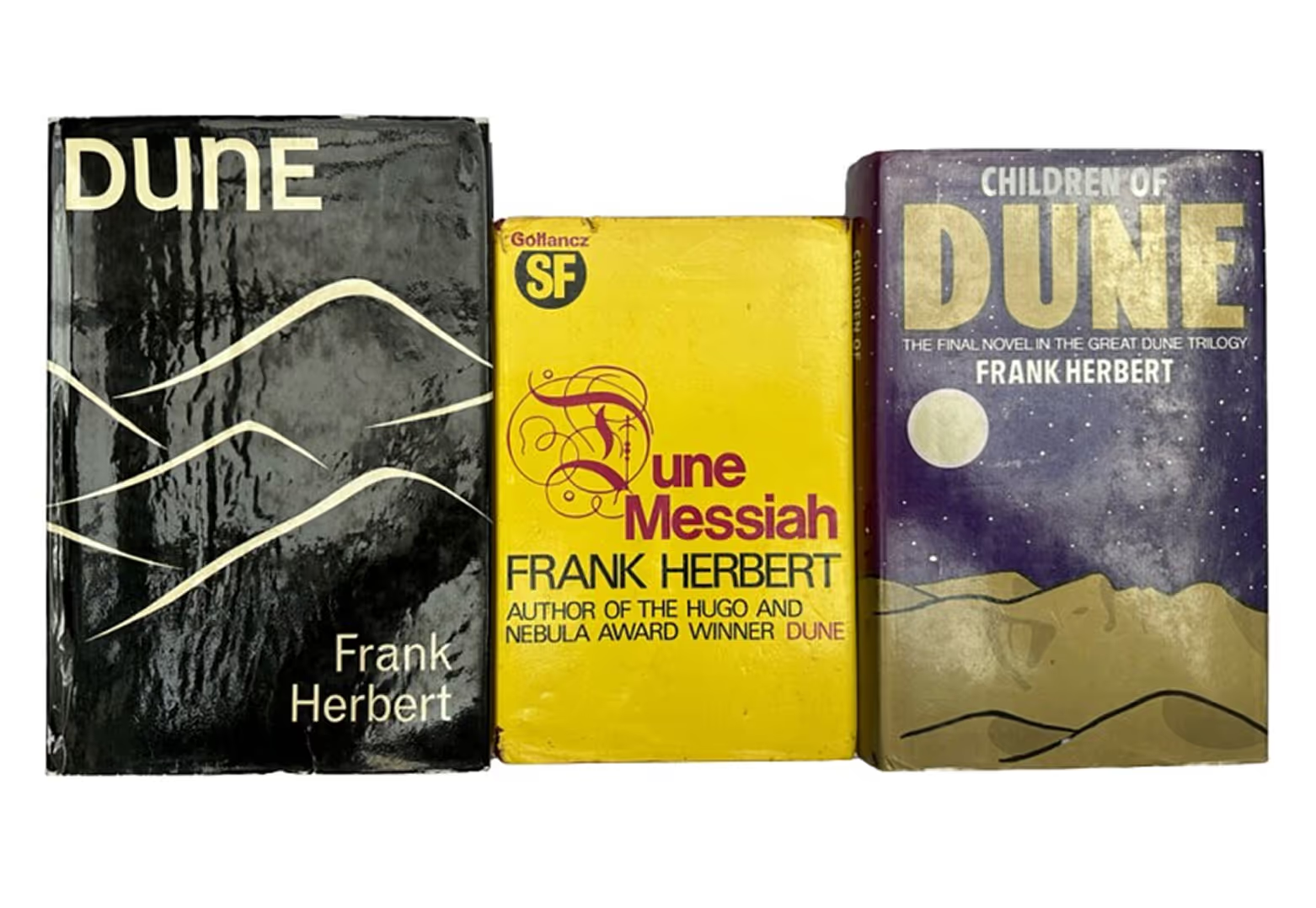
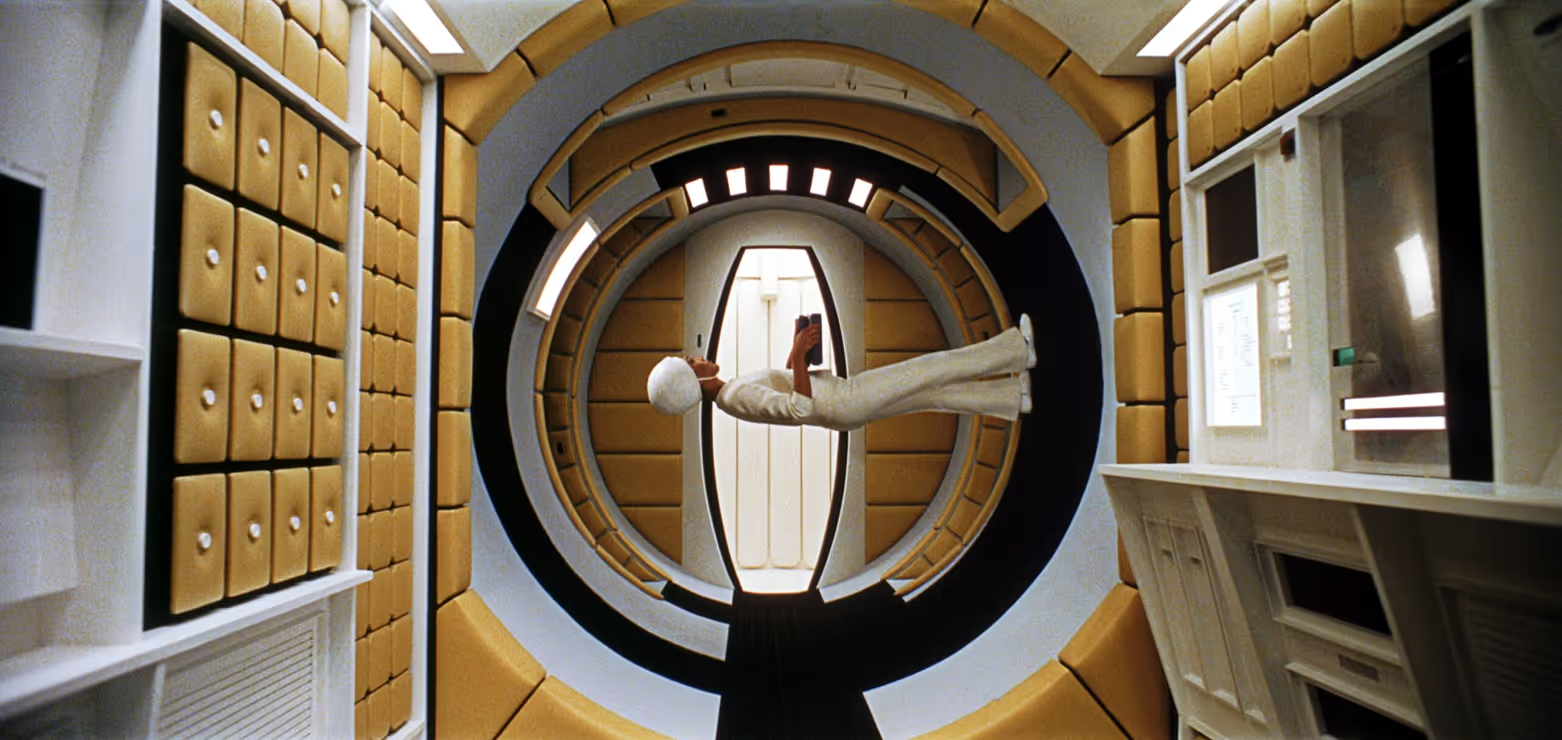
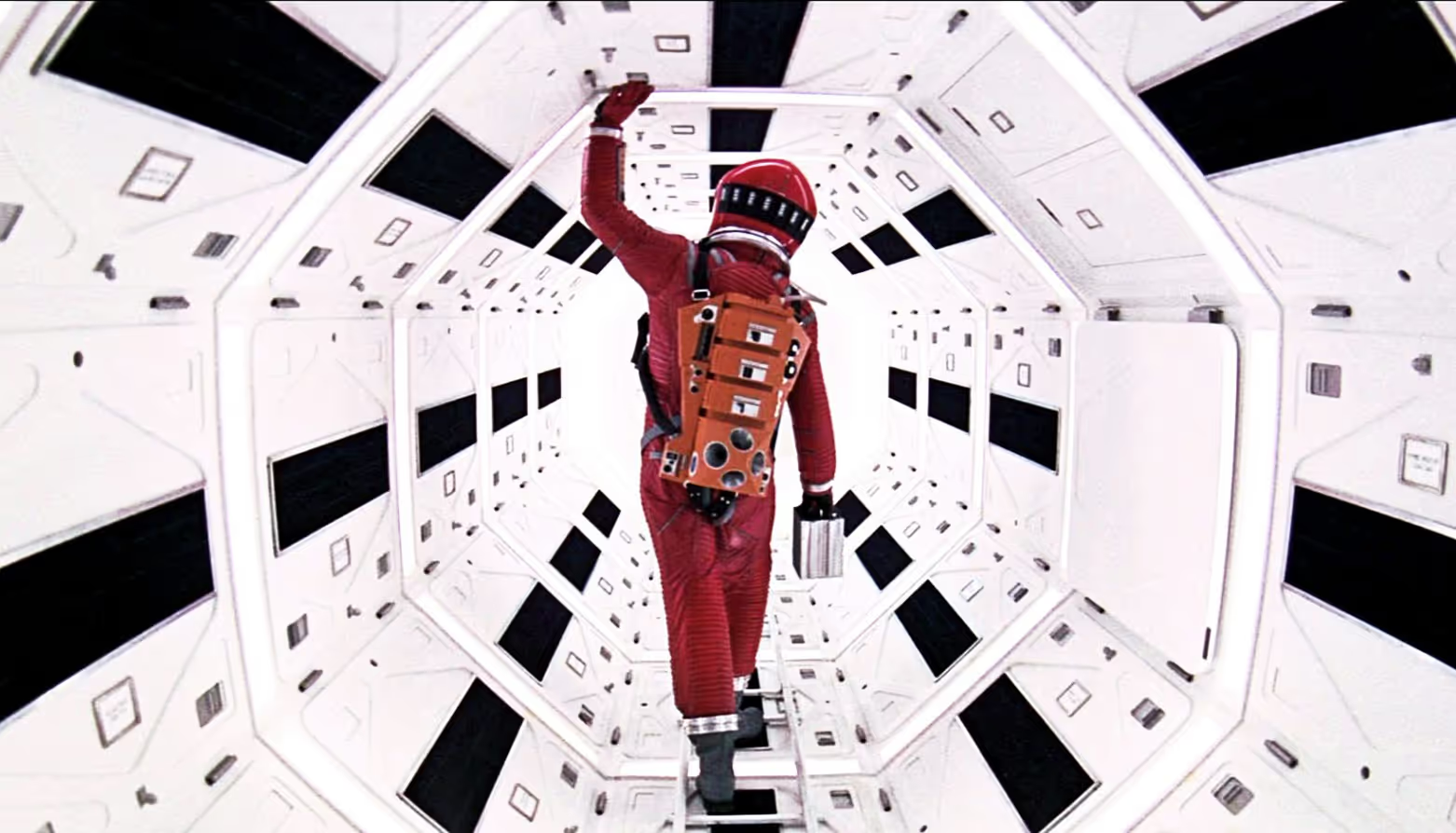
Film, TV & Books
Film, TV and books translated scientific discovery into stories that helped to stretch the imagination.
They presented new worlds, societies and moral challenges. These narratives gave shape to the emotional side of the Space Age.
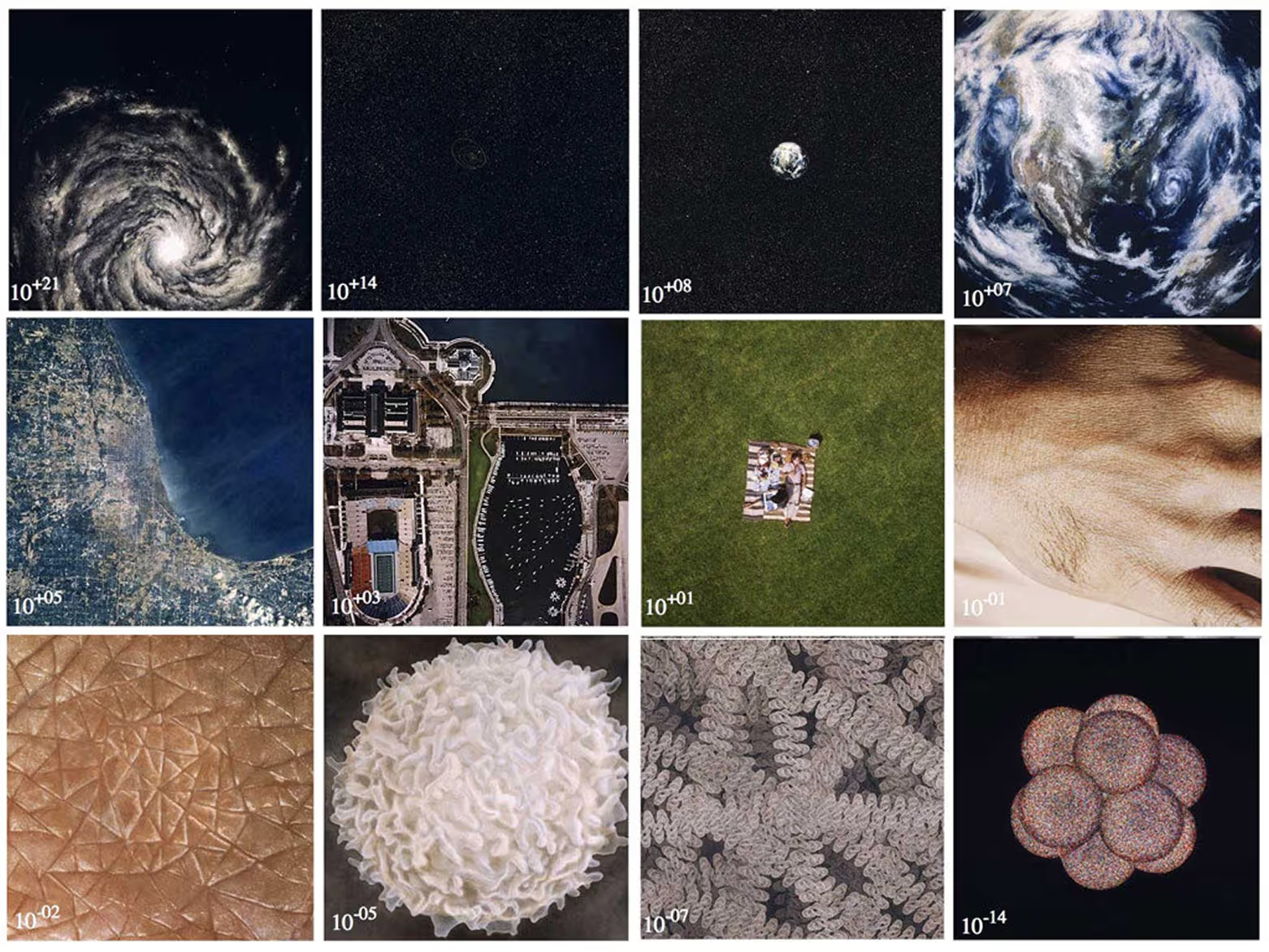
The End of an Era
For a brief moment, a whole society was invited into a shared narrative about human possibility, and how the future was going to be amazing.
But, like all eras, The Space Age did not last.
It peaked with the launch of Apollo 8 in 1968 and Apollo 11 in 1969, and it faded as the Apollo programme ended.
Once the goal of reaching the moon had been met, the shared intention evaporated and budgets were cut. Economic crises pushed the mood towards austerity. Environmental concerns grew. Many futuristic buildings were dismissed as kitsch and demolished.
By the 1970s the optimism had drained away and the cultural horizon shrank into uncertainty again.
Yet its cultural impact lives on.
It changed our environmental awareness, opened new technological frontiers and left us with proof that coordinated ambition can widen the boundaries of what a society believes is possible.
We’re also living through another force reshaping the world, only this time it’s AI. It’s everywhere and nowhere, powerful and intangible.
Unfortunately, there is no real visualisation for AI. There is no moon to aim for. No rocket launch or single image that can capture its meaning.
I think we need to lift our imagination the way the Space Age once did.
We are living through a moment that also asks for a cultural response, not just a technical one.
I think we need a more positive and abundant story of where we are heading, shaped by the creative fields that can help society make sense of these profound changes.
A cultural effort that shifts us from anxiety and passive protection more towards active participation. Giving people meaning, agency and curiosity within this uncertainty. This is where culture becomes essential.
To move towards that, I think we need three things:
1. We need new perspectives
Fresh perspectives that help us imagine what this era could look like. Film makers, writers and game designers that sketch the emotional and ethical contours of an AI shaped society, offering visions that stretch our imagination rather than shrink it.
Their work gives us the language and imagery to dream again, from a place of excitement rather than anxiety.
2. We need to involve everybody
We also need ways for people to take part in shaping this new world, not just observe it from afar.
Designers, artists and museum curators should help translate these new realities in an accessible way, and to create spaces where the public can explore these ideas directly. Turning complex systems into something you can touch, walk through or learn from together.
Participation helps ground the abstract, giving people a sense of belonging rather than disorientation.
3. And we need a collective moral compass
Understanding the era is essential, and everyone taking part in it even more so, but without a moral compass we risk losing sight of what our innovations are for.
Authors, architects and cultural researchers can help us think about the tough questions, make them visible and help us see where new possibilities reinforce dignity and belonging, and where they undermine them.
What's our story going to be?
Every era needs a story that helps people understand who they are. The Space Age offered one version of that.
Today, standing on the shoulders of giants, we need to shape a new story. And the creative fields have a vital role to play in how we make sense of this moment.
Every technological shift brings light and shadow, and the AI age is no different. We need the courage to look at both. If we ignore the risks, others will define them for us, often in ways that narrow our horizon.
This is why creativity matters. Not only to inspire, but to question, critique and reframe.
To help us carry forward what is worth keeping, confront what is harmful and imagine the parts of the future that do not exist yet.
